Do you ever notice how many people are constantly taking selfies? Personally, I’m not much of a selfie enthusiast. I often forget to take pictures when I’m on a trip. Maybe it’s laziness, or perhaps I prefer to fully enjoy the moment rather than experience it through a camera lens. And in the case that I do take one, it, of course, needs to be perfect.
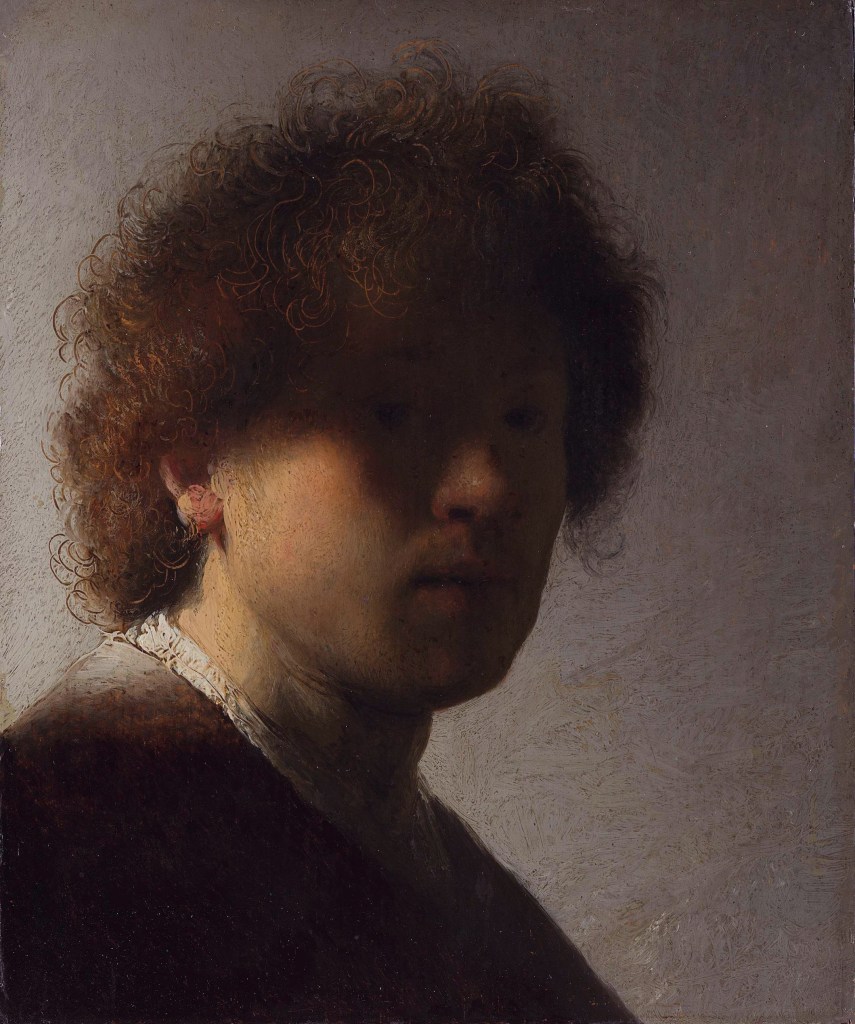
As you might guess, selfies aren’t exactly a new concept. Long before smartphones and filters, artists like Rembrandt van Rijn were paving the way for self-representation through their self-portraits.
Rembrandt: The Original Selfie Artist?
Rembrandt van Rijn (1606–1669) painted nearly 80 self-portraits over his lifetime, creating a visual diary of his personal and professional journey. His self-portraits are more than mere representations of his physical appearance; they reveal his emotions, his struggles, and the passage of time. Each brushstroke carries a story of self-reflection, from the confident young artist with ambitions in his house in Amsterdam to the weathered figure grappling with financial and personal hardships.
Rembrandt’s approach was groundbreaking. He did not shy away from depicting his imperfections—a furrowed brow, sagging cheeks, or tired eyes. These works invite us to connect with the humanity of an artist who sought to understand himself through his craft. In a way, he was capturing his “profile” long before the concept of social media existed.
The Selfie Era
On platforms like Instagram and TikTok, people use selfies to express moods and share stories. The chase for likes and comments can easily turn what starts as self-expression into something that feels more like a competition. While filters and editing tools aim for perfection, selfies often capture joy, vulnerability, or contemplation—much like Rembrandt’s honest portrayals.
For many, selfies are not just pictures; they are a way to communicate, build confidence, and craft an online identity. Selfies hold their own as a creative outlet. They give people a way to experiment, play with identity, and explore how they want to present themselves to the world. It’s a mix of freedom and tension, all wrapped up in a single snapshot.
Rembrandt: Beyond the Filter
My Historical Eye tells me that there are things we can learn from Rembrandt. While his portraits were not designed to get “likes,” they reflect a deeper connection to self-awareness and authenticity. Rembrandt painted himself as he truly was—sometimes confident, sometimes vulnerable. In a world where filters can erase imperfections, it’s worth asking: how can we bring more authenticity into our selfies?
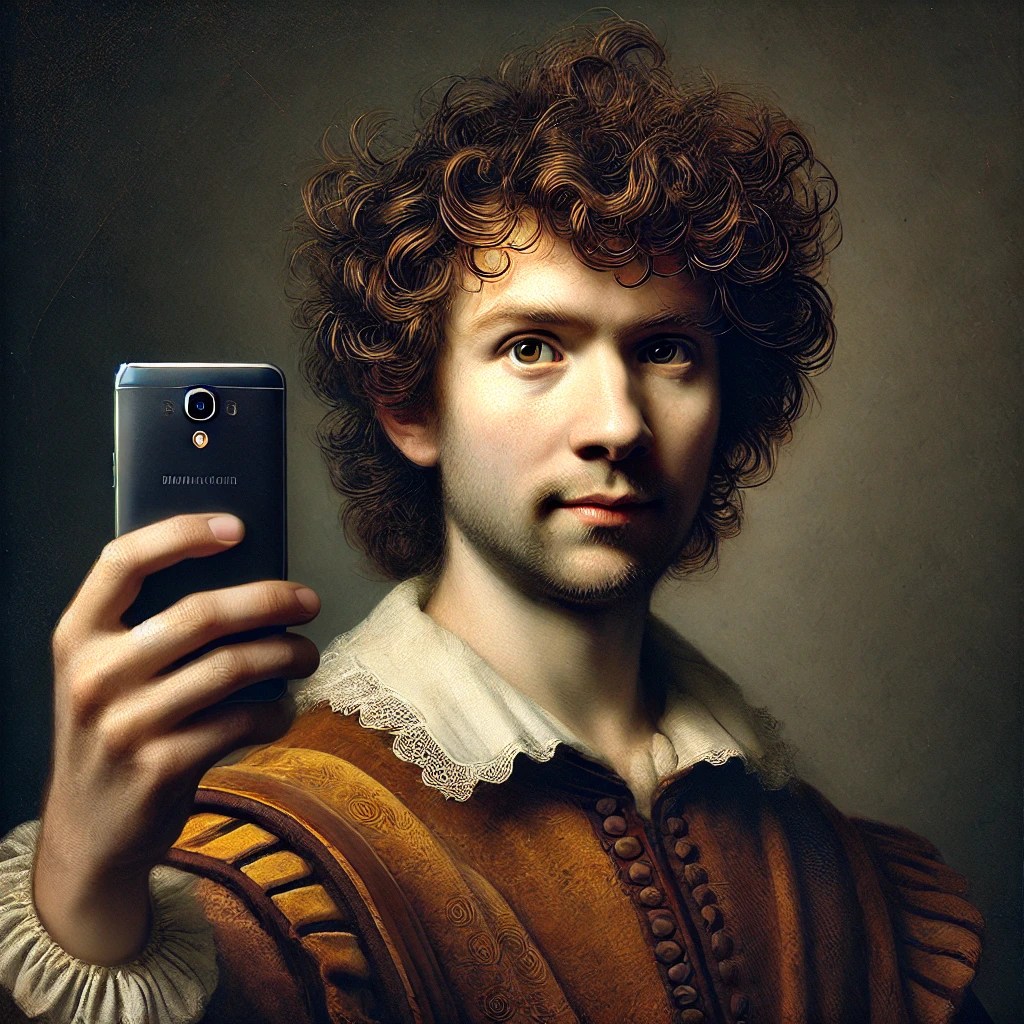
Imagine combining the creativity of today’s selfies with Rembrandt’s honesty. What if a selfie wasn’t just about looking perfect but about telling a story? For example, experiment with dramatic lighting, inspired by Rembrandt’s famous chiaroscuro technique, or create selfies that reflect moods and experiences rather than just appearance.
What Do Your Selfies Say About You?
The next time I take a selfie, I ask myself: what does it actually say about me? Is it just a quick snapshot for fun, or is there more beneath the surface? Could it somehow reflect who I am, the way Rembrandt’s self-portraits revealed layers of his identity? It’s interesting to think about it: how we use images to present ourselves to the world. Comparing Rembrandt’s deeply introspective paintings to the selfies we scroll through today may sound like a tall order, but maybe it isn’t. I see a common thread connecting them: our human desire to be seen, to tell a story, even in the smallest moments.
 I spy with my historical eye