Between Goat Bells and Iron Rails: Rediscovering Johanna Spyri, the Woman Behind Heidi
HEIDI, It’s one of those stories we think we know. A little girl, wild-haired and a skin tanned by the sun, racing through Alpine meadows, goats trailing behind her like a living postcard. Heidi has become a kind of shorthand for healthy Swiss childhood—mountain air, fresh milk, and rosy-cheeked innocence. When viewed without the lens of nostalgia, the story takes on a different shape.
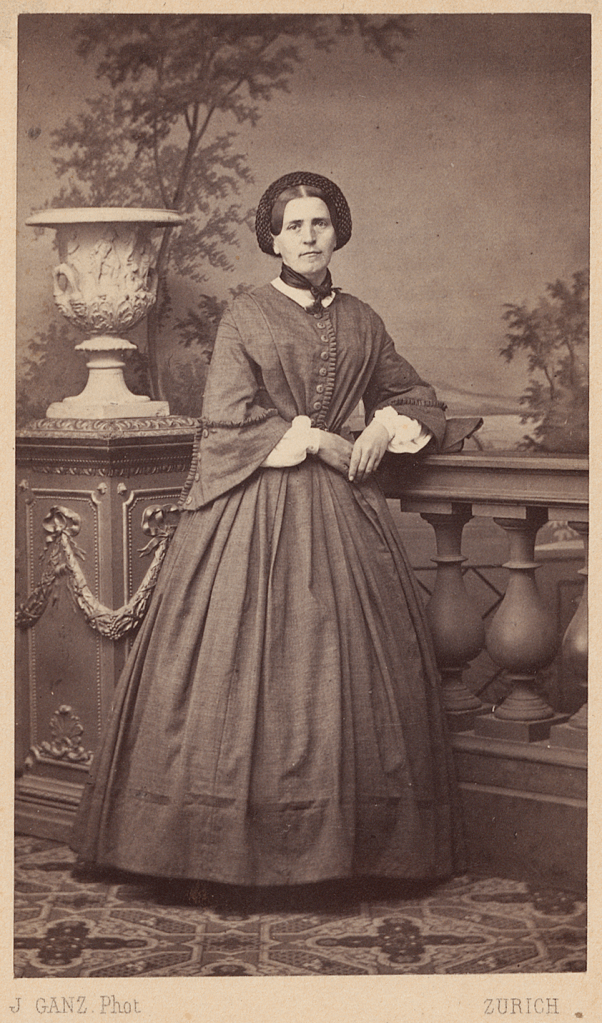
Behind Heidi stood a woman of remarkable depth: Johanna Spyri, born in 1827 in Hirzel, a quiet village above Lake Zurich. Her childhood was shaped by books, poetry, and the conversations of a doctor father and a literary mother. Later, she would marry a lawyer and journalist in Zurich—a union that brought little joy. When her husband and only child died, Spyri, now alone, turned inward. She found not just sorrow, but a tale waiting to be told.
Johanna published Heidi in 1880. At first glance, it`s a sweet story about an orphan girl and her grumpy mountain grandfather. But there`s way more going on underneath: it`s about dealing with loss, feeling out of place, the clash between nature and modern life, and most of all, the quiet, often overlooked strength of women and children.
A Tale of Two Worlds
Read through a historical lens, Heidi becomes a story about the fracture lines running through 19th-century Switzerland. Clara’s bourgeois home in Frankfurt is a world of velvet curtains and tightly corseted emotions. The Alps, by contrast, breathe: they are instinctive, sensory, healing. Spyri was writing at the height of industrialisation, when cities were swelling and the countryside felt increasingly like a relic. She doesn’t idealise poverty, but she does lament the emotional and spiritual costs of modern life.
The Limits of Education
Peter, the goatherd, is a fascinating case. Pulled from school to help with farm work, he is a product of the very educational reforms that were meant to uplift him. But the reforms often left rural boys like him behind. Ironically, Heidi—though a girl—is the one who’s encouraged to learn. Spyri seems to ask: What kind of education really matters? The one taught in a classroom, or the one taught by wind, weather, and the unspoken needs of others?
Spirit, Not a preach
Spyri’s take on faith isn’t about rules or guilt. When Heidi learns to read the Bible, it’s not some heavy lesson—it’s about finding comfort, clarity, and a sense of purpose. Her spiritual growth just happens, naturally, and it quietly touches the people around her too. Spyri believes in goodness—but she lets you come to it on your own.
The Girls Who Dared
Heidi is no shrinking violet. She voices her needs, navigates adult expectations, and acts with resolve. Clara, too, reveals a spine of steel beneath her frailty. In a literary world where girls were often decorative or doomed, Spyri’s characters stand upright. She wrote girls who do.
Grief Beneath the Meadow
It’s impossible to read Heidi and not sense the undertow of personal loss. Every major character is marked by absence—of parents, of home, of health. But healing, Spyri suggests, does not come in grand moments. It comes in small acts: a shared meal, a mountain breeze, a returned smile. It’s a story written by someone who knew what it meant to lose everything—and who still believed in joy.
A Quiet Radical
Spyri wasn’t out marching in the streets—but her kind of rebellion ran deeper. Way before it was trendy, she took kids seriously. She gave them real emotions, real struggles. She let girls carry the heart of the story. And in a world already rushing toward noise and speed, she quietly reminded us that stillness, care, and nature still matter.
You can visit Maienfeld or Hirzel today, drink your coffee by her statue, and take in the mountain charm. It’s all very postcard-perfect. But if you read Heidi closely—really read it—you’ll start to notice something else.
You’ll hear Johanna Spyri.
Not just the woman behind a cute story about goats, but someone who knew what it meant to lose, to long for something, and to find strength in quiet places. She used a children’s book to say something real—about connection, about being seen, about resisting in small but powerful ways.
Maybe it’s time to read Heidi again—not for the nostalgia, but for what’s hiding underneath it.
 I spy with my historical eye